We can say with reasonable certainty that we originally came from Orange, France.
It is also known that on 30 November 1713, the Dutch ship, Kockengen, captained by Wouter Reimiersz, departed from Tessen in the Netherlands with 132 sailors as well as 16 passengers and 39 soldiers. Among the passengers was the new Governor of the Cape, Maurice Pasques de CHAVONNES, while one of the soldiers on board was our own ancestor, Antoine FAURE. The Kockengen arrived in Table Bay on 24 March 1714 before departing for its destination in Batavia on 5 April 1714.
Feel free to read the story of our ancestor, Antoine FAURE's life in Europe here.
Several people have done research on the Huguenots who settled in the Cape. For example, of WF Leemans, as well as CC de Villiers, whose work was later adapted and published by Cornelis Pama. Although valuable research was done by these people, some members of our own Faure family also, with more personal attention and interest, did a lot of research which helped to compile a more complete genealogical register. We also had the advantage that members of our family, who later settled in Europe, were able to research sources there which yielded much useful information.
The work included in this website and genealogical register includes, among others, the research of
Dr AG (Tony) Faure (1926-)*
John Harris (a married relative)*
Prof Alexander Pierre Faure (1946-)
Albert Pieter Verner Faure (1931-2007)
* - in Europe.
Our sincere thanks and appreciation to the above, as well as various FAURE relatives who have provided us (and continue to provide us) with information about what is currently happening with our family. We update our records from time to time and also publish it on the family tree which can be viewed through this website.
The name FAURE (from the Latin Faber, meaning blacksmith) is from the Occitan language. Other variations that occur are Fabron, Fabre, Favre, Favreau, Lefebvre and Lefèvre.
It is interesting to know that the Occitan language is quite widely used along the northern coast of the Mediterranean Sea, from Spain to Italy.
In France, several languages were used, mainly two language groups, namely langue d’oïl and langue d’oc - these are the languages that pronounced the word "yes" as oïl (modern oui) or oc. Since 1539, (langue d'oui) or French, has been the only official language.
There are still many inhabitants, mainly in the southern parts of France where Occitan is still used as a second language. Some sources estimate it to be up to 12% of the population. This also explains the name of the former province of Languedoc, with Toulouse as its capital. The name of the region was officially changed to Occitanie in 2016.
Occitan has also been an official language of Catalonia in Spain since 2006.
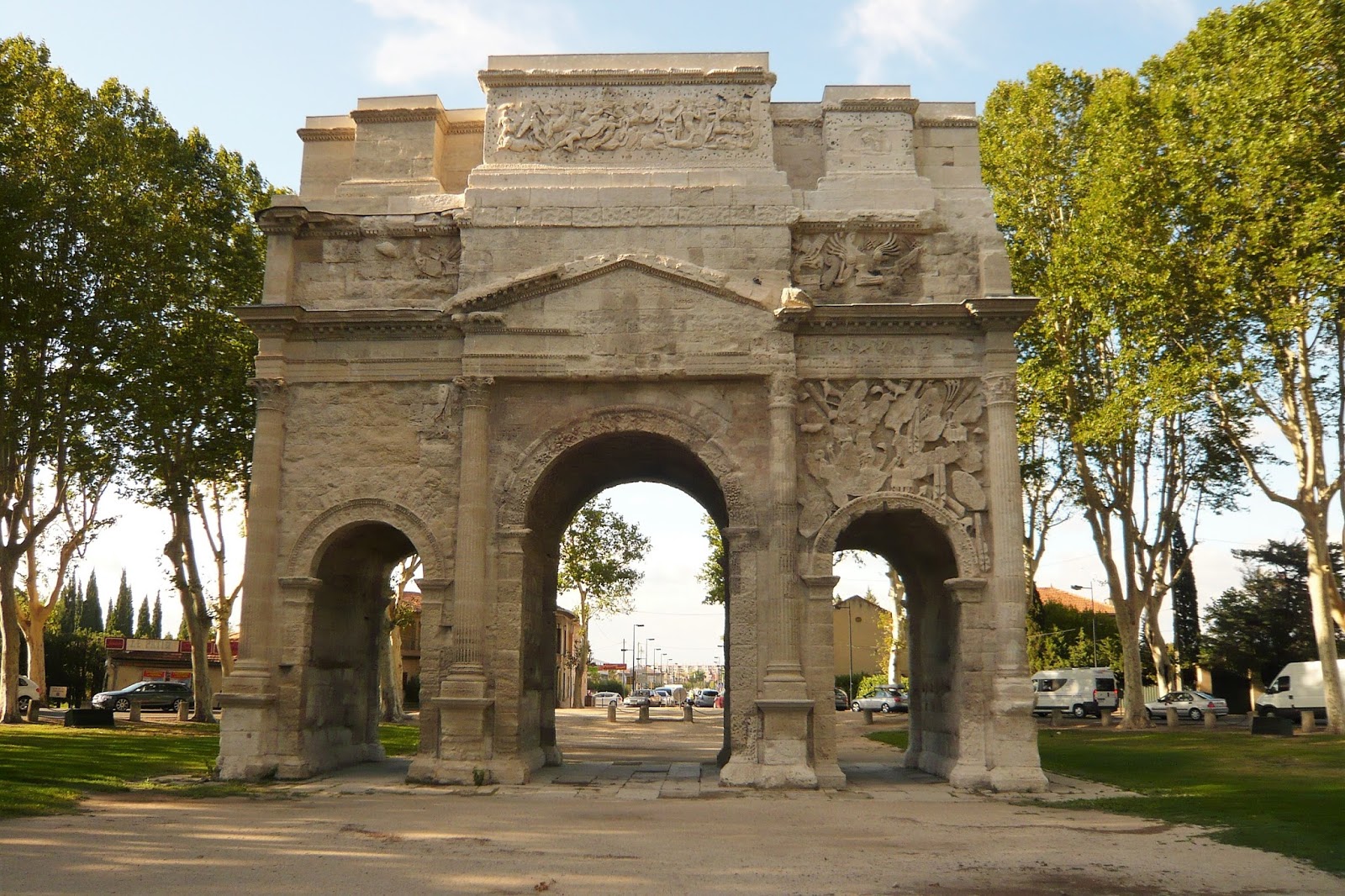
Orange is a commune in the Vaucluse department in the Provence-Alpes-Côte d'Azur region in Southeastern France.
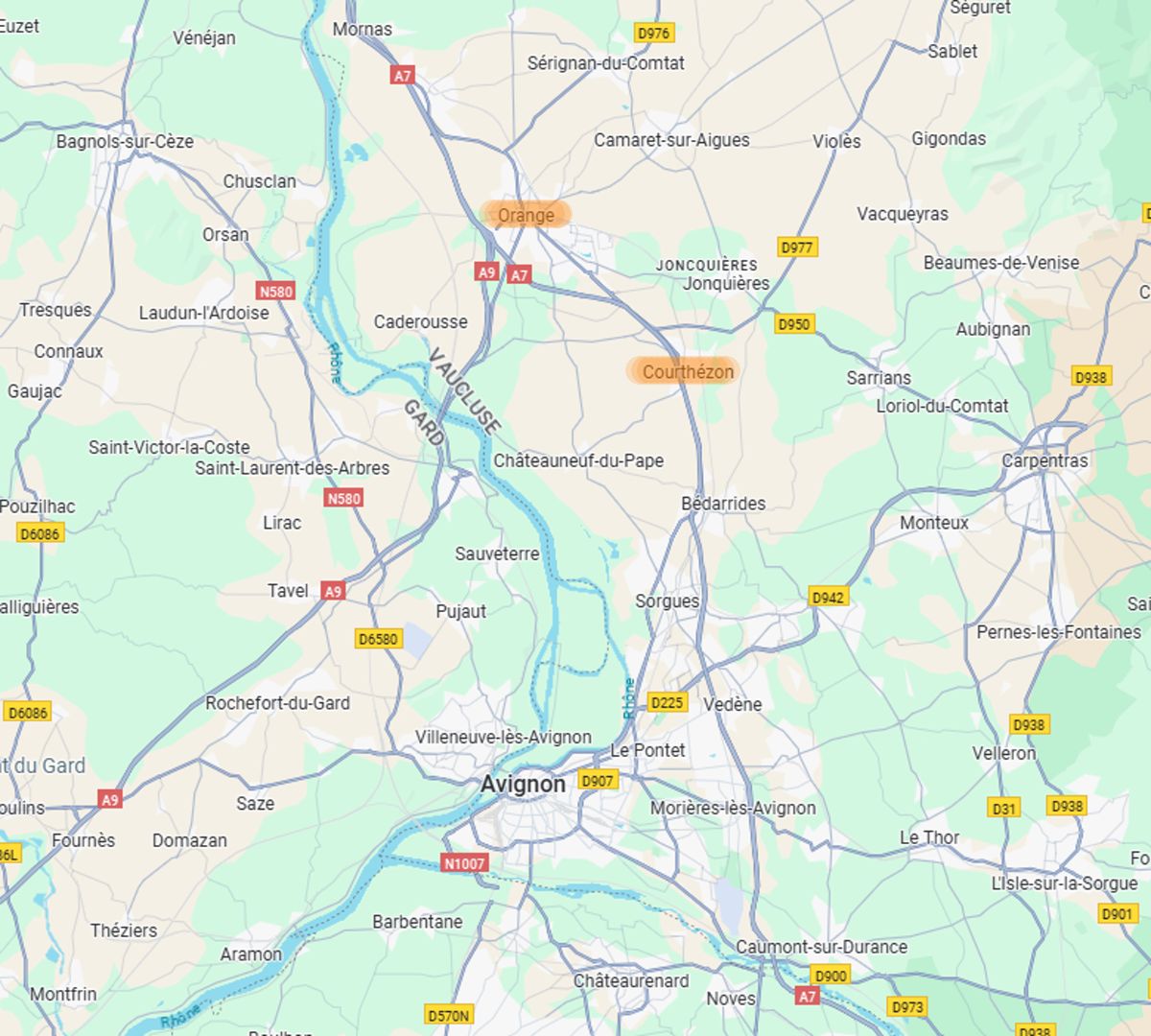
From early history there were several Principalities spread across Europe and Orange was also such a Principality, established in 1163 in the Roman Empire. It covered approximately 18,000 hectares (19 km long and 15 km wide). The capital, Orange, as well as the village of Courthezon, are of interest to us. It is located about 30km north of Avignon and is known for several Roman structures that are still well preserved.
In 1356 a university was founded there.
The 11-year-old Dutch prince, later known as William the Silent (or Willem van Oranje in the Netherlands), inherited the territory in 1544. Under Williams rule, the Netherlands became involved in the 80 Years' War to gain independence from Spain, and Orange was not an important link. In 1584 William's son Maurice ascended the throne. and was the first Dutch prince to use the title Prince of Orange.
During the European Wars of Religion, French troops under the command of the Count of Grignan occupied Orange, but authority was not relinquished by William.
One important point to remember was that at that stage, Orange had become a Protestant enclave within a Catholic France.
The later William III (also known as William III of England) was the last Dutch prince to rule Orange. After his death in 1702, there was much debate over who would take over Orange. The Treaty of Utrecht (1713) annexed Orange to France, but the title of Prince of Orange remained in the Netherlands.
When checking old records in Orange, among others, it became clear that FAURE is a fairly common surname. The researcher WF Leemans calculated that there were more than 20 families with the surname Faure living in and around Orange during the religious wars.
Also interesting is that if you search 'Wikitree' you will find many people with the surname Faure who came to America from France as Huguenots. Many of their surnames changed over time to an American twist, such as Foree. One name that did catch my eye was a Faure-L'Orange.
Our own ancestor comes from the family of Pierre FAURE. Pierre's eldest son, from his first marriage, was named Alexander, and although we have no evidence, it is very possible that Pierre was the son of an Alexander Faure. Nothing is known about this Alexander.
We do know that Pierre had a brother named Jean. Unfortunately, we also know very little about Jean and his descendants. It is known that Antoine, our ancestor, later had contact with an Alexander Faure. This Alexander was also formerly from Orange and was the son of a Jean Faure.
Is it possible that this Alexander was the son of Jean, the brother of Antoine's father Pierre? Was this Alexander named after his grandfather, who was also Antoine's grandfather? We do not know.
There are two thoughts regarding these families. The one, which is the more logical for us, is that Antoine and Alexander were cousins. (Sons of the brothers Pierre and Jean). See also the coincidental use of the family coat of arms by both families mentioned here.
The other idea put forward by other researchers is that there were two Faure families of Orange
a) The brothers Pierre and Jean. Pierre's son Antoine would later become known as our Forefather.
b) Two other brothers, also Pierre and Jean. This Jean had a son Alexander whose path later crossed with Antoine, our Forefather.
We could not prove a family connection between the two sets of brothers.
It is estimated that there are approximately 84,600 people (2014 statistics) in the world who use the surname Faure. Of these, approximately
There are a further approximately 320 people who use the variant Fauré while 280 people use Faure as a first name.
We are all remembered, but some people, for different reasons, are remembered for longer, and by more people. Below are some notable FAUREs.
(If there are other FAUREs that deserve an entry here, please let us know.)
Antoine FAVRE (1557 – 1624)
Antoine Favre, Baron of Pérouges (5 October 1557 – 1624) was a nobleman and jurist of Savoy.
Born in Bourg-en-Bresse and studied law in Paris and Turin. He practiced law in Chambéry. Member of the Court of Savoy from 1585 and president from 1610.
Antoine is especially remembered for his legal opinions and publications.
Some genealogies indicate that he was one of our ancestors. However, we could not find any connection between him and our ancestor.

Felix FAURE (1841 – 1899)
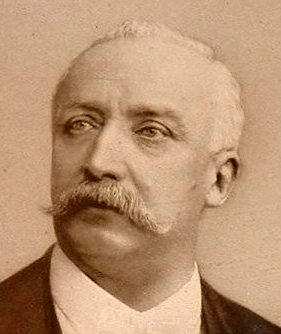
Felix François Faure (30/01/1841 – 16/02/1899), was the 6th President of the Third Republic of France. He served as President from 1895 to 1899.
During his term, the Exposition Universelle of 1900 was planned. Many of the attractions of modern-day Paris, such as the Eiffel Tower, Grand Palais, Petit Palais and Pont Alexandre III were built during his presidency.
His outspokenness sometimes made him unpopular. For example, at a grand event he told French car manufacturers that: "Your vehicles are seriously ugly and they stink".
However, Felix is not remembered for everything that happened during his term as President. His big moment came on the Thursday afternoon when he entertained his girlfriend of the time in his office. This in itself was acceptable at the time, but for the unfortunate Felix the moment was too big and he did not survive it.
Gabriel FAURÉ (1845 – 1924)
The composer Gabriel Fauré (12/05/1845 – 04/11/1924) is probably the best known of all the Faures.
He began his musical career at the age of 9 when he was sent to a music school in Paris. One of his teachers at the time, and eventually a long-time friend, was Camille Saint-Saëns.
Gabriel initially made a living as an organist and music teacher, where he also tutored Maurice Ravel. He was later appointed director of the Paris Conservatoire.
Gabriel Fauré was a highly regarded and widely respected person.
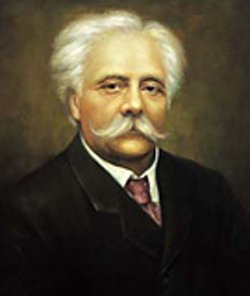
Edgar FAURE (1908 – 1988)
Edgar Faure (18/08/1908 – 30/03/1988) studied law in Paris and was admitted to the bar at the age of 21. The youngest lawyer ever at that time.
In 1942 Edgar fled to Algiers where he was appointed to the legal department of the Provisional Government of the Republic. After the war he acted as legal representative of France at the Nuremberg trials.
In 1946 he was elected to parliament where he also served in various ministerial positions. He also served as Prime Minister for two terms between 1952 and 1956.
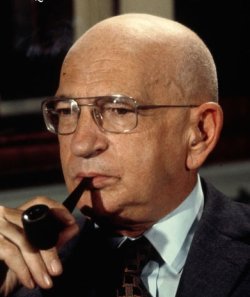
Maurice FAURE (1922 – 2014)
Maurice Faure (02/01/1922 – 06/03/2014) was a member of parliament from 1951 to 1983 and a minister in several French governments. He served as a Senator from 1983 to 1988 and was appointed to the Constitutional Council by President François Mitterrand.
After retirement, he moved to the town of Cahors in southern France where he served as mayor for 25 years.
In 1957, Maurice signed the Treaty of Rome on behalf of France - which created the European Union.
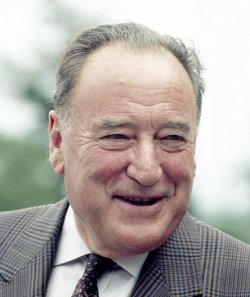
Patrick FAURE (1946 – )
Patrick Faure (12/05/1946 - ), son of Maurice (above) was a French businessman.
He joined Renault in 1977 and was quickly promoted to regional manager. By 1981 he took over the management of Renault Austria and in 1982 Renault UK. In 1985 he was promoted to head of Communications and Public Relations. By January 1986 he was appointed to the Board of Directors as well as President of Renault Sport.
Patrick was appointed Chairman and CEO of Renault Sport in 1991. By 1998 he also served as Chairman and CEO of Renault Holding. In 2001 he became Executive Vice-President of Renault. He retired at the end of 2005.
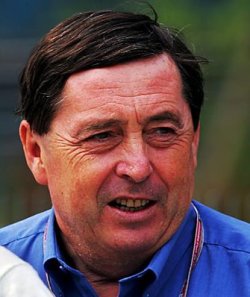
Kieth FAURE (1951 – )
One of the infamous Faures. Keith George Faure (1951 – ) of Norlane, Victoria, is an Australian career criminal. He is currently serving a life sentence for, among other things, several murders, manslaughter, armed robbery and more.
Kieth comes from a well-known crime family and he also has two younger brothers, Leslie and Noel, who are both also serving long-term sentences for, among other things, murder and manslaughter.
He, or is it his story, was the inspiration for a film, ('Chopper', Australia 2000) in which his character is also portrayed. This was followed by a TV drama series ('Underbelly', Australia 2008), a dramatization of the Melbourne underworld with Kieth's life portrayed by one of the main characters.
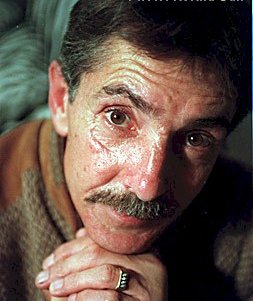
Dr Abraham Faure (1795 - 1875)
Abraham Faure (1795 - 1875) was born in Stellenbosch.
He studied theology at the University of Utrecht (Netherlands). On his return in 1818 he was appointed pastor of the Dutch Reformed Church in Graaff-Reinet. By 1822 he was transferred to the Grootte Kerk in Cape Town where he served until his death in 1875.
His contributions and legacy included the following:
• Started a mission station in Graaff-Reinet for local residents and slaves. Established a mission station (with Andries Stockenstrom) north of the Orange River.
• Instrumental in the establishment of the first Synod in South Africa (Cape Town 1824). Served as Actuary (1829-67), Archivist (1829-67), Scribe (1842-62) and Treasurer of the Synod Fund as well as the Widow and Orphan Fund.
• He established the first church library and together with Thomas Pringle he started the first magazine in South Africa, 'Het Nederduitsch Zuid-Afrikaansche Tijdschrift' (1824 - 1843)
• Started the first congregational magazine in Oct 1838, today known as 'Die Kerkbode'. He was editor until 1869.
In the field of education he made the following contributions:
• Abraham was instrumental in the establishment of the South African College in 1829 where he also taught for 3 years. In time the South African College developed into both the South African College Schools (SACS) as well as the University of Cape Town (UCT).
• He pleaded with the British Minister of Colonies, Count Bathurst, for the establishment of a theological Seminary in the Cape, which eventually led to the Theological Seminary of Stellenbosch in 1859.
In 1862, Rutgers College in New Brunswick (NY) awarded Abraham an Honorary Doctorate in Theology.
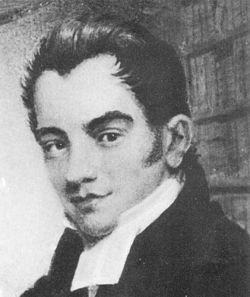
Rev David FAURE (1842 - 1916)
David Pieter Faure (1842 - 1916) was born in Stellenbosch. In his extremely interesting autobiography 'My Life and Times' (Juta 1907) he tells the story of someone who led an interesting life.
After his schooling in Cape Town he studied Theology at the University of Leiden where he became a free thinker under the influence of Modern Theology. His views clashed directly with the more Orthodox views of the Dutch Reformed Church. He began a series of lectures in Cape Town which led to the founding of the Free Protestant Church (now Unitarian) in 1868 where he also served as a minister for 29 years.
In 1884 he accompanied the delegation of the South African Republic, led by President Paul Kruger, as a translator, to London for the signing of the London Convention.
As a Freemason he held various offices between 1870 and 1897, including that of Provincial Grand Master as well as that of Deputy Grand Master. David was also a hunter, angler, played cricket, was a master snooker player and enjoyed playing chess.
Sir Pieter FAURE (1848 – 1914)
Pieter Hendrik Faure (1848 - 1914) was born on 'Vergenoegd' and was an attorney and politician.
After qualifying as an attorney he opened a law practice in Paarl in 1880. By 1889 he had become a member of Parliament and in 1890 Cecil John Rhodes appointed him as Minister of Native Affairs. He also served as Colonial Secretary in Rhodes' second government (1894-1896). During 1896 he became Minister of Agriculture until 1898 and was charged with the eradication of Rinderpest.
From 1900 he served again as Minister of Agriculture and between 1902 and 1904 as Colonial Secretary. For the term 1904 to 1907 he served on the Commission of Inquiry into War Damages. He represented the Western Province in the Legislative Assembly from 1908 to 1910.
He was knighted in 1895.
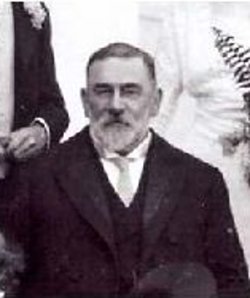
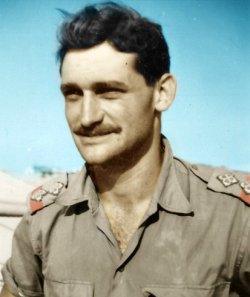
Kol Hannes FAURE (1917 - 1995)
Johannes Philibert Morkel Faure (1917 - 1995) grew up on the farm 'Kahlenberg' near Faure. He and his younger brother Hendrik Morkel ('Hennie') inherited the farm and ran the family farm extremely successfully.
The need for action intervened. While Hennie continued with the farm, Hannes, as a 'Shaka' volunteer in the Winter War in Finland, made a name for himself as an excellent and successful fighter pilot.
In 1941 he joined the air force. He served as a pilot over North Africa, Malta, Sicily and Italy. He was honoured with several medals and awards and as a young Lt.Col he had the honour of leading the SA Air Force at the Victory Parade in London (June 1946).
On his return after the war he took command of the Air Force base at Langebaan and at the end of 1950 he returned to the farm. He passed in February 1995.
Members of the Faure family also entered the business world. Here are some of them.
(If there are other FAUREs that deserve an entry here, please let us know.)
Antoine Theodore FAURE
Antoine Theodore Faure was the youngest of nine children of Gilbert Faure, a policeman from Peyrat-la-Noniere in the Creuse area. He won a scholarship and completed his schooling at the school of fine arts and crafts in Angers.

He settled in Revin, in the Ardennes region near the border with Belgium. His first job was as a reception clerk at Compagnie des Chemins de Ardennes, a company that built and maintained the local railway.
It didn't take him long to decide to start his own factory in Revin, and in 1854 he manufactured castings for railway equipment. The first factory was a building measuring 15 by 60m. The product he produced was not exactly to his taste, so he decided to manufacture "FAURE" stoves.
His business was doing well and Theodore began to purchase new properties. Unfortunately, it wasn't long before financial problems arose, leading to a settlement agreement with his creditors in 1868.
Theodore immediately set about solving his problems. He sold all his factories and materials but rented them from the buyers and continued in business. He also sold his house to the Morel family, a local competitor. All the factories were bought back by 1879 and the house in 1903.
Theodore's son Henri joined the business and things went much better. Henri made sure that they took care of their finances themselves and did not trust other people with them. Expansions to the business included the following:
Henri took over the business in 1891 after the death of Antoine Theodore. He was the one who built the business into "Faure Pere et Fils" (Faure, Father and Sons). He also bought up every piece of land he could to expand the business. In 1900, Louis, his eldest son, joined him as an assistant. His other sons followed, Raymond in 1905, Henri in 1914, Pierre in 1921 and Jean in 1923.
The factory catalogues at the time included an exceptional range of models, including 40 different cast iron ranges, 34 types of stoves and open fires, 48 larger stoves, 26 types of freestanding stoves, 71 sheet metal and cast iron cooking ranges, 13 different sheet metal and cast iron kitchen stoves and an extensive range of related articles in various sizes – 1400 products in total. Furthermore, it also included an impressive collection of grills, coal buckets, irons, waffle irons, small stoves and heaters, soap dishes, spittoons, plate stands, umbrella stands, shovels and tongs, plates and other containers, boot scrapers, table and bench legs, vases and flowerpot holders, bouquet holders and garden containers, feeding troughs, water troughs, urinals, fountains, toilets and water reservoirs, cast iron pumps and an entire range of black or galvanized steel containers.
The outbreak of war in 1914 meant that all activities in the Ardennes region came to a standstill. Henri did continue to build stoves at two 'emergency' plants at Nevers and Conches, further south of the border. The head office moved to Trouville-sur-Mer where Henri owned a house. His four eldest sons were drafted into the army but were fortunate enough to return in 1919, after the war.
Henri died in 1922 and management of the business was taken over by a Board of Directors chaired by Louis Faure. Again a period of prosperity followed, characterised by intense activity and large-scale production. The way in which the business was conducted now changed and in 1925 'FAURE' participated for the first time in the Paris Exhibition. The company also opened a showroom on the Boulevard Richard Lenoir in Paris.
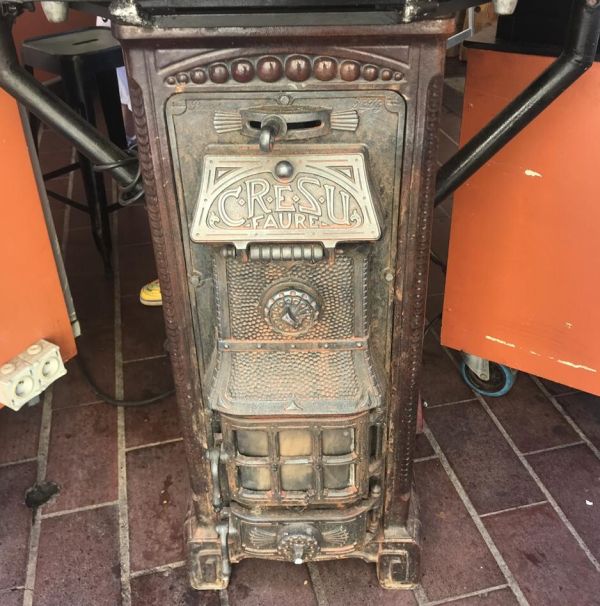
In 1926, the Cresu572 stove was successfully launched and a new factory under the name 'Cinq Paires' was acquired in Revin.
In 1931, ‘FAURE’ introduced the principle of ‘family salaries’, based on the premise that every employee who was the head of a family received an extra 20% salary per child. This effectively meant that the employee with five children doubled his salary. This benefit was subject to a maximum.
In 1934, a new sheet enamel plant was built and the company decided to participate in the 'Societe Nouvelle d'Electricite et du Chauffage' (New Electricity and Heating Society) to further diversify production.
The Second World War, as well as the complete evacuation of the Ardennes region, brought an end to this period of development and prosperity. A small group of the Revin workforce started again in Nevers and worked in the factory which served as a refuge in 1914.
After the Second World War, activities did not resume in earnest until 1952. Many problems were experienced in the period after 1945 and production in the factory in Signy-el-Petit did not begin until 1952. There was the opportunity to start some of the factories earlier, but the company decided to invest first in the iron foundry because demand had changed. The demand for sheet metal, rather than cast iron, was increasing. The invention of the 'FIREBALL', a new type of mobile gas heating device in 1953, was a great success, but not enough to ward off increasing competition in the market, especially from Italy.
In 1960, ‘FAURE’ was sold to its main competitor in Revin, ‘ARTHUR MARTIN’. This manufacturer continued the brand’s development and model standardization. The range of ‘FAURE’ products sold improved noticeably, but only the brand label of the equipment still indicated the difference between the two brands.
‘ARTHUR MARTIN’ experienced the same problems as ‘FAURE’ and was taken over in 1972 by the ‘Societe Generale de Belgique’, which in turn sold its interest in the business to ‘ELECTROLUX’ in 1975.
The brand ‘FAURE’ still lives on in the electrical household appliances sector, with a long historical industrial past.
(extract from kachelsuitfrankryk.nl 2018)
Bertrand FAURE
This is probably the greatest success story in the Faure history of business. In 1914, Bertrand Faure started a factory where car seats were manufactured. The company also began manufacturing beds in 1954.

During the 60s and 70s, Bertrand Faure's business grew and by 1971 it was already represented in most European countries. By 1982, the company became involved in the luggage business with the takeover of Delsey. During 1983, the American market was entered and by 1989 also the United Kingdom and Japan. By the end of 1996, there were also offices in China, Korea and Brazil.
Further growth followed, also through takeovers, and by 1999 the merger with ECIA followed and Faurecia was born.
Faurecia has grown to be the 6th largest global automotive parts manufacturer. One in four new cars is equipped with Faurecia components. Faurecia designs and manufactures seats, the entire interior (dashboard, door panels etc.) exhaust systems, shock absorbers and other exterior components such as the front and rear of the vehicle. Faurecia has more than 320 production plants in 34 countries and has more than 95,000 employees.
During 2021, Faurecia acquired the controlling interest in Hella, and changed their name to Forvia.
Pierre FAURE
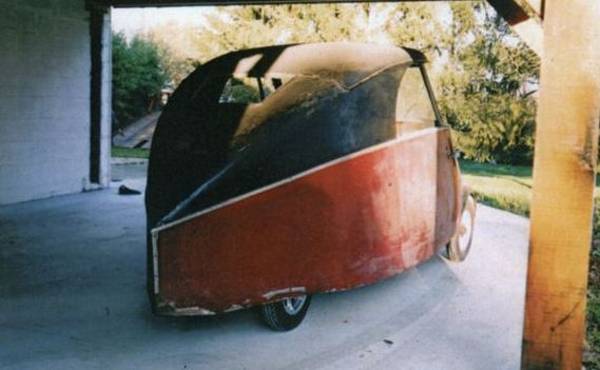
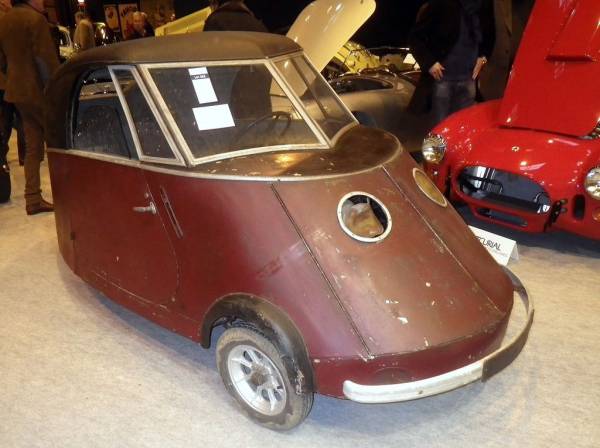
Pierre Faure Automobiles was based in Paris and has the distinction of being one of the first automobile manufacturers to build an electric vehicle.
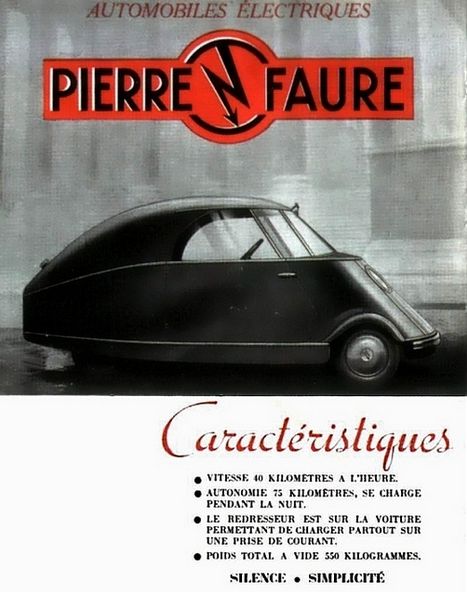
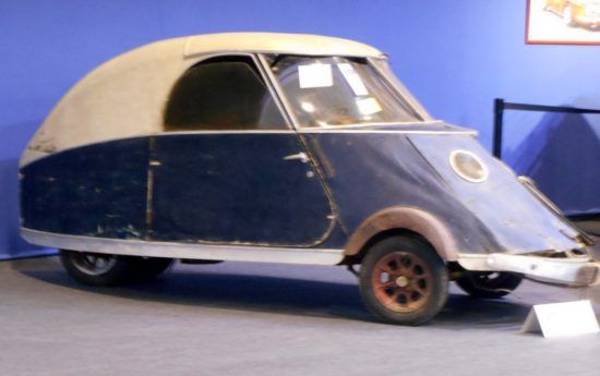
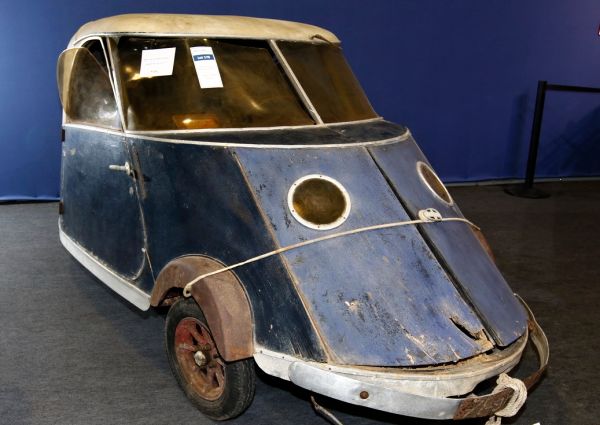
Fuel supplies were very unpredictable during the war and this led to the construction of the Pierre Faure 'Elektra' which was available from 1941. This remarkable vehicle was equipped with 6 batteries that could propel it at around 40km/h. It could travel around 80km before needing to be recharged.
Pierre Faure, then a colleague of Louis Breguet (founder of Breguet Aviation) introduced his model PF1, later known as the 'Electra', at the end of 1940. This two-seater vehicle was designed by the architect Michel Dufet.
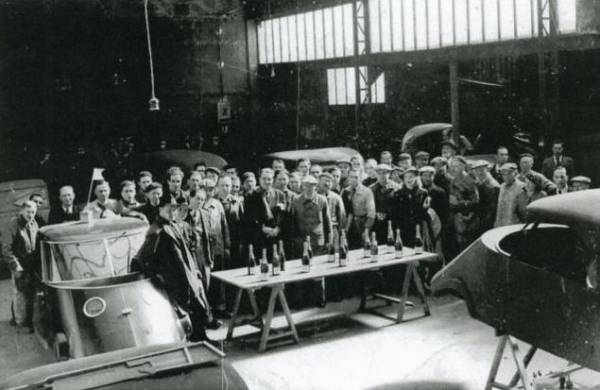
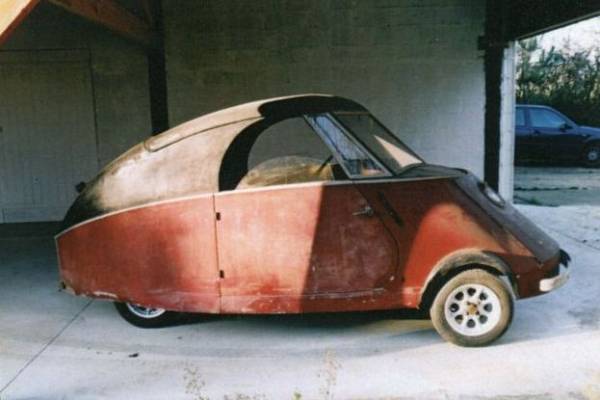
Two models were offered, a Coupé and a delivery vehicle. Production ceased in 1947, mainly due to the difficulties in obtaining materials and the fact that fuel was again freely available. Only 25 units were built. Some of them are still in circulation.
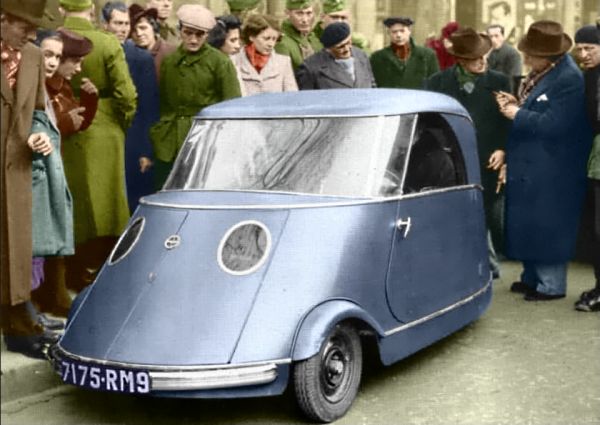
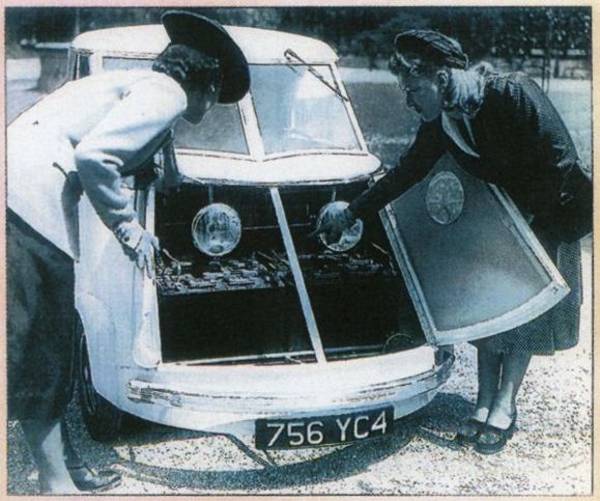
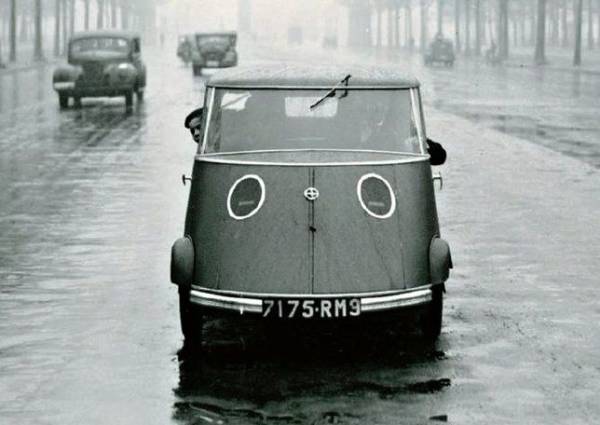
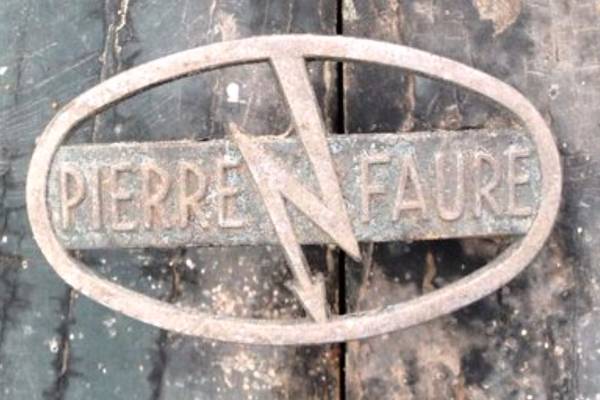
This car (Serial number unknown) was sold at auction in London in 2015 for €21,900. It was displayed at the 2016 Salon RetroMobile in Paris.
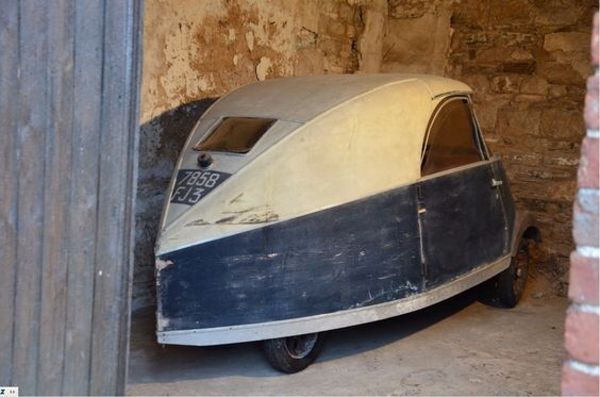
This model, (delivery vehicle with serial number 214), was purchased in 1942 by Laboratoire Sténé of Lille. It still has the registration 6794NA. First registration was on 22/06/1942.
It was sold at auction in Lyon in November 2015 for €24,000.
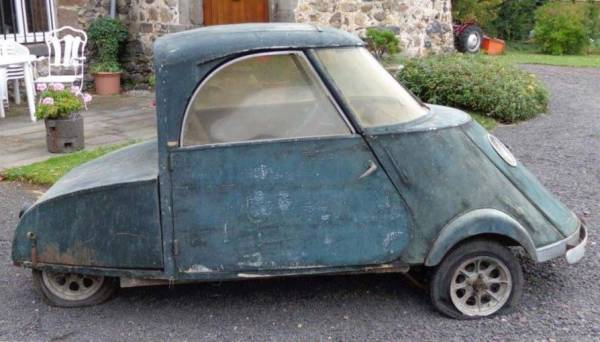
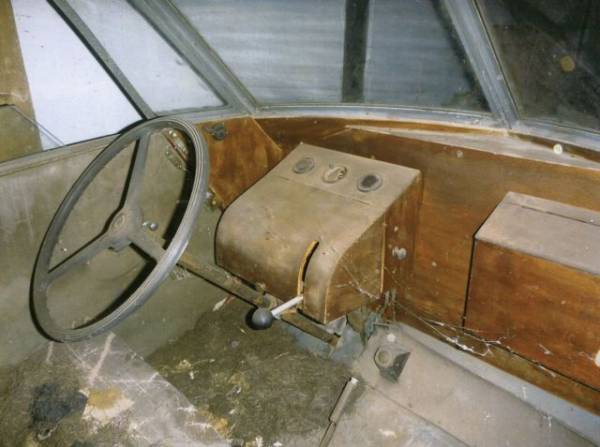
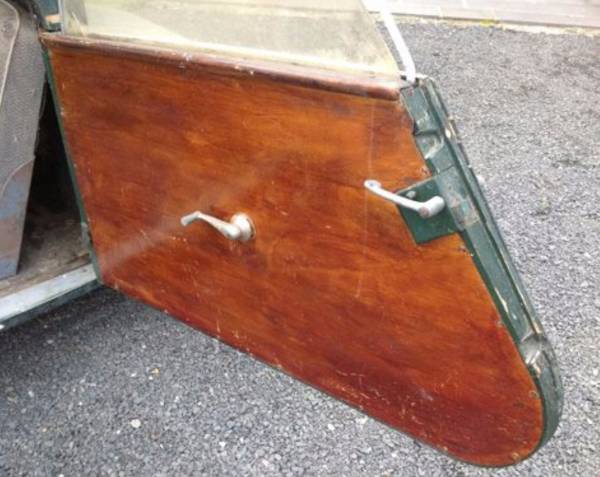
This model (serial number 16) is still in its original condition. First registered in 1941. Re-sold on 06/05/1943 and the new registration was 2425CT5. In February 1955 it was sold to the museum in Chatellerault.
In February 2014 it was sold at auction in Paris for $69,100.
Pedro FAURE
There is no longer any Faure involved in this business, but his story warrants inclusion. It begins with the Frenchman, Pedro Faure, who opened a printing house in Lisbon, Portugal in 1727.
By 1732, Pedro Faure had opened a bookstore in Rua Direito do Loreto, Lisbon. In 1742, his son-in-law, Pierre Bertrand, joined him and changed the name of the store to "Pedro Faure & Bertrand".

The store was destroyed in the 1755 earthquake and was rebuilt in Rua Garrett on Chiado Square, Lisbon. The business moved to its original location in 1773, where it still operates today, as well as in 52 other locations. Today, it is the largest bookseller in Portugal.
In 2011, it was listed in the Guinness Book of World Records as the oldest continuously operating bookstore in the world.
FAURE Tansport & FAURE Tourisme
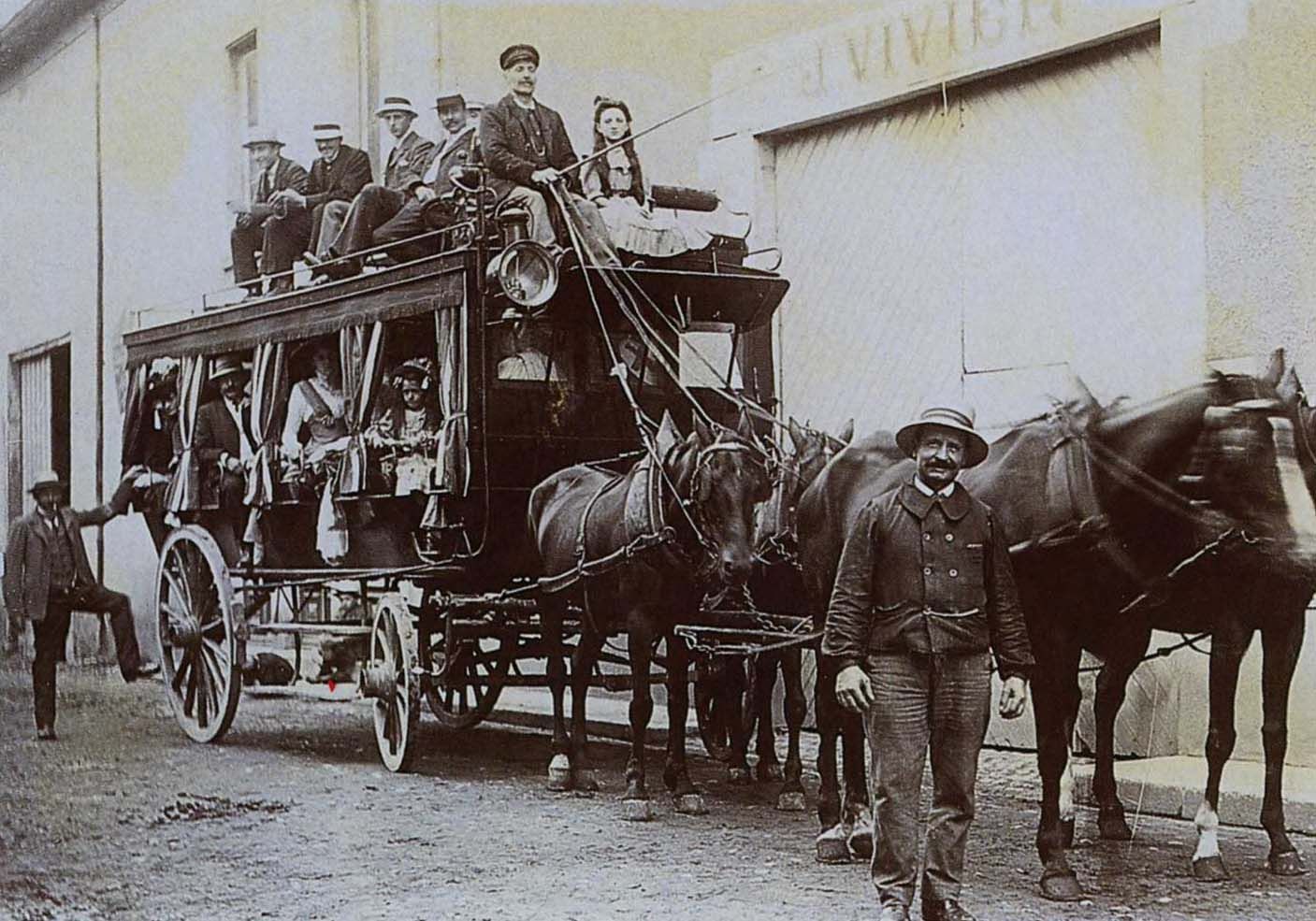
During 1848, Alexandre FAURE creates a stagecoach relay to transport goods, mainly from India and landed in Marseille, to Paris.

The company, which developed into passenger transport, acquired its first motor vehicles during 1924.
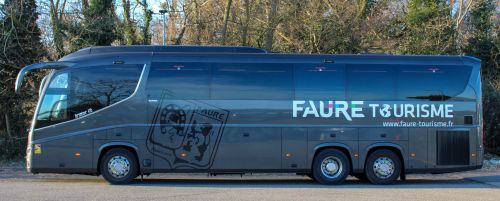
Currently, Faure Transport is still very active in Passenger and Tourism transport from their base in Lyon. Operating more than 1000 vehicles from 9 offices, more than 110,000 passengers are catered for per day.
A subsidiary, Faure Tourisme, operates from 35 offices and cater for coach, train, plane and cruise travel.
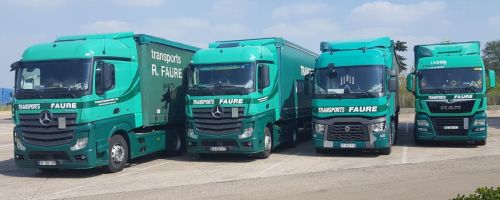
Raymond FAURE et Fils
Established in 1931 by Raymond FAURE, the company has steadily grown and has since been passed down to his descendants, who still manage it today.
Escuela Garcia FAURE
Born in February 1905 in Cordoba, Argentina, Ofelia Garcia Faure was the 5th of 12 children.
Driven by a deep passion for teaching, as well as the arts, she founded the Escuela García Faure (Garcia Faure School) in 1954 with a strong focus on the arts.
The first graduating class, in 1966, specialised in Business Administration.
Ofelia passed away in 1995.
© faure.co.za 2018 -
